The Operator
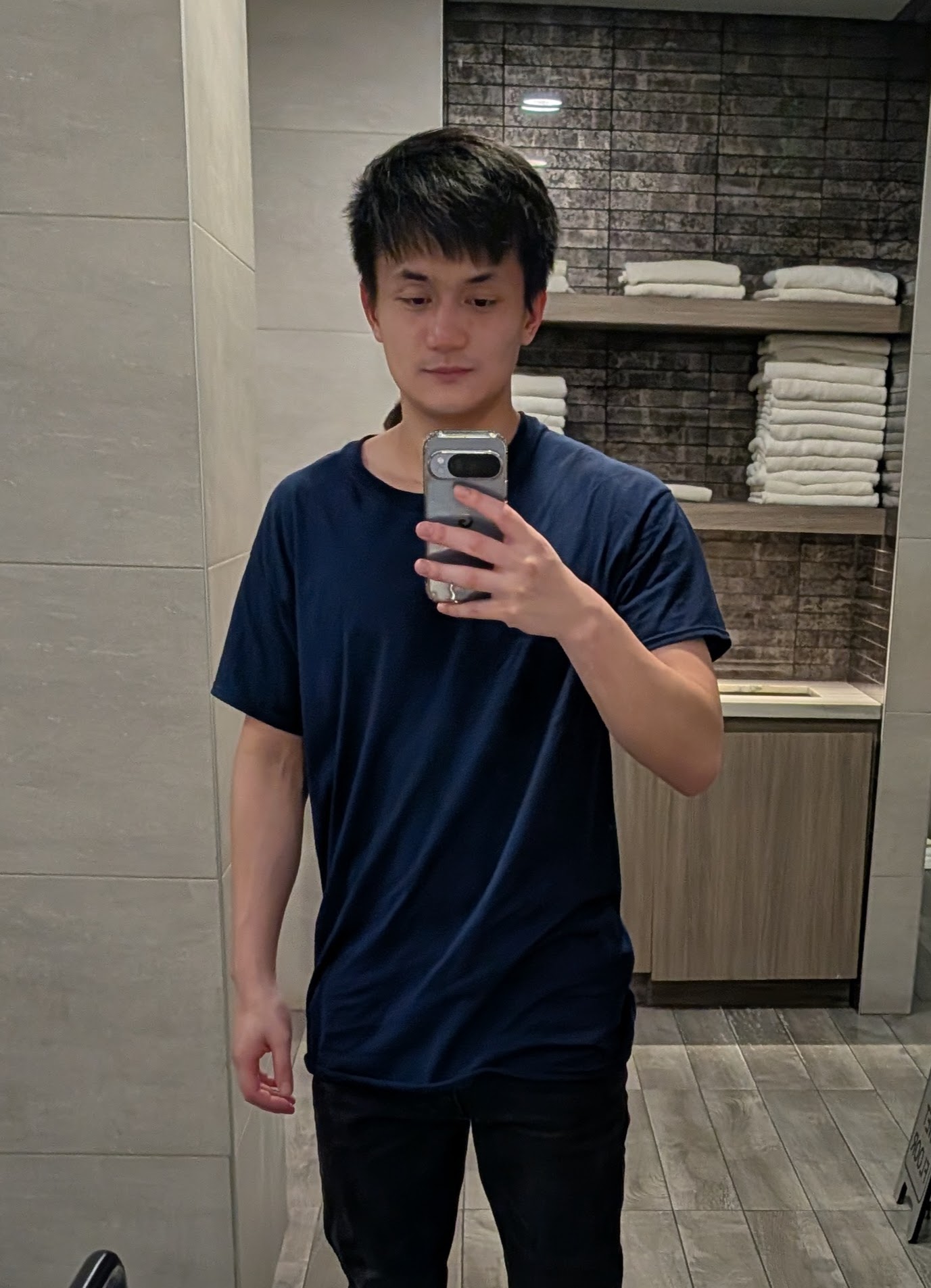
I'm Ethan. I studied Electrical Engineering and Computer Science at UC Berkeley and have worked at Amazon, Whatnot, Google, and Citadel. Over the past two years, I've been building Modula with a clear motivation. Most people follow predefined life paths without ever designing what actually fits them. I believe everyone has unique personalities, constraints, and goals, so I built Modula to help people design their own systems from first principles with AI guidance so they are not guessing or copying someone else's life.
Outside of building, I'm a gamer at heart. I love poker, Valorant, and League of Legends, and I'm a huge fan of anime, K-pop, and EDM. Growing up in the Bay Area, I spent a lot of time playing MapleStory and Pokemon, which shaped how I think about progress and exploration. Modula is inspired by that. Life is a game where you are the main character, leveling up in real time with systems that actually fit you.
Why Modula Exists
Everyone has different goals, interests, responsibilities, and ways of living. The structures we inherit from school, work, and culture can give us a starting point, but they rarely account for everything that makes us who we are.
Modula helps you design your life more intentionally. It turns what matters to you into practical systems: a way to learn something, make room for creative work, take care of yourself, or build a habit you actually want to keep.
You choose the direction. AI helps you work out the structure. Progress means moving toward a life that feels like yours, at a pace you can sustain.
Systems That Fit You
Your time, energy, experience, and circumstances are part of the design. Mod, the AI inside Modula, helps you turn them into a system that fits you. A system is a sequence of smaller actions, called modules, that you can edit and use.
Start with something real: “Help me build a 30-minute study routine with a short break and time to review my mistakes.” Then build it with Mod:
- Describe and refine. Tell Mod what you want and what you need to work around. Read the proposed actions and ask for changes until they make sense for you.
- Apply and save. Apply puts the proposal into your editable system. Save keeps the version you want to use.
- Use it and revisit. Follow your actions and use Run to record module completions. Your run logs keep those records, so you can look back and decide what to change.
Begin with one useful system. As you try it, bring what you learn back to Mod and refine it. The structure can grow with your life.
The next step is shared context across your systems. The goal is for Mod to carry forward the goals, circumstances, and feedback you choose to share, so each system can be designed with an understanding of your wider life. You stay in control of that context as your needs change.
Modula Enhanced, the premium plan, is being built to add advanced data tracking, graphs, and AI analytics. The aim is to help you see patterns in your behaviors and outcomes, understand how your systems are working, and make informed adjustments, with greater awareness and control over your life.
Where Modula Can Go
Personal systems are the foundation of a larger vision. Once AI can help people create structures that fit them, those structures can become a way to learn from others, participate in communities, and do things together.
Imagine adapting a creator’s study system, joining a group around a shared practice, or finding people who make time for the same things you do. Social features could help connection grow through real participation: learning, creating, training, and showing up together.
Businesses and organizations could also offer systems people can plug into: a gym’s training program, a course’s learning path, or a community’s recurring activities. Mod could help you adapt that starting structure to your goals and schedule while staying connected to the people and resources behind it. Modula Hubs explores how this vision could extend into real-world spaces, connecting local communities through shared places and activities.
These are future directions. Today, the focus is helping you build and use your own systems. The ambition is to extend that foundation into communities where personal growth and meaningful connection support each other.